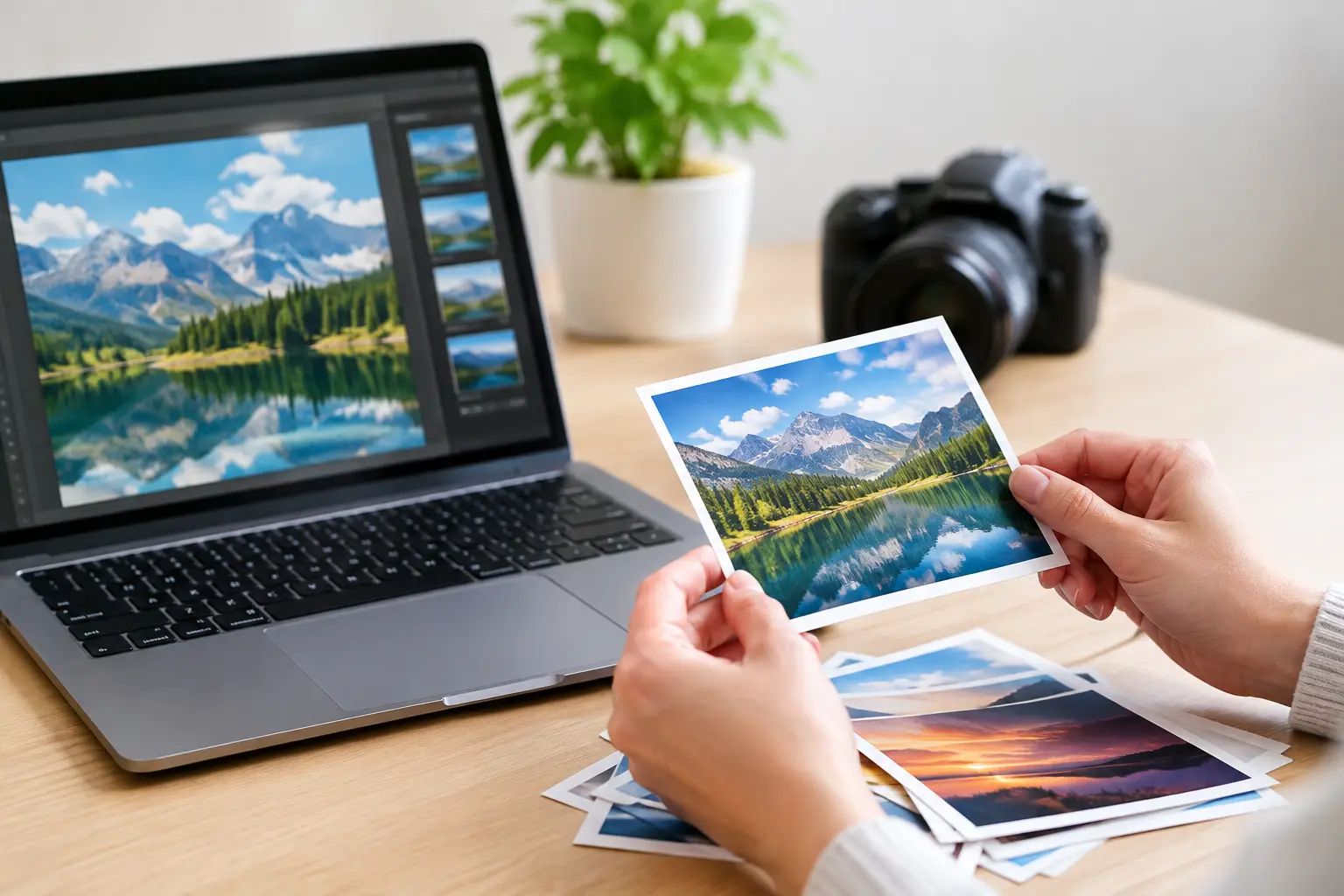
A great custom Lotería deck starts before you choose a theme or write a single card name. When you upload photos for card art, the images you pick set the personality of the whole game: hilarious, heartfelt, polished, nostalgic, or all of the above. A clear photo of your cousin laughing can become a card everyone reaches for. A blurry group shot from across the room may not have the same magic.
The good news is that you do not need professional portraits or design skills. You just need photos that make it easy to recognize the people, pets, places, and moments your deck celebrates. With a few smart choices, you can turn everyday camera-roll favorites into colorful cartoon-style card art that feels made for your family, party, classroom, or community.
Choose Photos That Work as Card Art
The best card image is simple at a glance. Traditional Lotería cards are bold, iconic, and easy to spot while someone calls out the game. Your personalized version should carry that same instant-recognition energy.
Start with photos where the subject is front and center. A face looking toward the camera usually creates the strongest result, especially for cards based on family members, wedding party guests, coworkers, or graduates. Pets also work beautifully when their eyes, ears, and face are visible.
A close-up or waist-up photo is often better than a full-body image. Small details can disappear once artwork is placed on a playing card. If you want to feature a favorite outfit, a dance pose, or a special object, make sure it is clearly visible and not lost in a busy background.
Natural expression matters more than a serious pose. Use the photo where your dad is mid-laugh, your best friend is wearing her signature sunglasses, or your kid is holding the toy they take everywhere. Those familiar details give each card its own story.
Prioritize Light, Focus, and Contrast
Good lighting helps the cartoon-style transformation keep facial features clear. Window light, outdoor photos, and well-lit indoor shots are usually excellent choices. Very dark photos, harsh shadows across the face, and heavy color filters can make features harder to define.
Focus is just as important. If a face looks fuzzy when you zoom in on your phone, it may look soft in print. Choose the clearest version you have, even if it is less posed. A candid photo with sharp details will often create more lively card art than a formal photo that is blurry.
Contrast helps, too. A person with dark hair against a dark wall can blend together. Look for photos where the subject stands apart from the background through color, lighting, or clothing. This gives the artwork a stronger silhouette and makes the card easier to recognize across the table.
How to Upload Photos for Card Art With a Clear Plan
It is tempting to open your photo library and upload everything. Instead, give your deck a quick point of view first. Are you making a birthday deck built around the guest of honor? A wedding game starring the couple, their people, and favorite memories? A family reunion deck with every branch of the family represented? Your answer helps you choose images with purpose.
Create a small photo shortlist before you begin. For a people-centered deck, try to give each person one strong, distinct image. Avoid using five nearly identical selfies and then realizing your aunt, uncle, and two cousins still need cards. A little planning creates a deck that feels balanced and inclusive.
If your deck includes objects, food, locations, or inside jokes, photograph them clearly too. That beloved taco truck, a pair of dancing boots, the family dog’s favorite tennis ball, or the lake house sign can become a memorable card. These cards add variety between portraits and make the deck feel more like a shared world than a photo album.
Modern Lotería Studio makes it easy to upload your chosen images, cartoonify them, and build them into a cohesive deck without needing to illustrate each card from scratch. The workflow is designed to keep the creative part moving: select your photo, transform the look, customize the text, and keep shaping the deck around your celebration.
Use One Main Subject Per Image
Group photos are full of memories, but they can be tricky for individual card art. If three people are standing shoulder to shoulder, it may be unclear who the card is meant to feature. Save group shots for a special card where the group itself is the subject, such as “Las Primas,” “The Wedding Party,” or “Los Roomies.”
For individual cards, use photos with one obvious subject. This makes the final art feel cleaner and gives you room to pair it with a fun, readable card title. It also prevents a common party-game moment: someone holding up a card and asking, “Wait, who is that supposed to be?”
There are exceptions. A couple’s card, a family card, or a card featuring a parent and child can be especially meaningful when the relationship is the point. The decision depends on your deck’s story. If the connection matters more than a single person, keep them together.
Give Every Card a Name People Will Remember
The image gets attention. The card text makes people laugh, cheer, or immediately call out a memory.
You can use first names, nicknames, playful titles, Spanish phrases, or a mix that sounds like your family. “La Tía Chismosa,” “Uncle Ray,” “La Reina del Karaoke,” and “The Snack Captain” all create a different mood. Choose language that sounds natural when someone calls it during a game.
Keep card names short enough to read quickly. A long sentence may be funny in the moment, but it can feel cramped on a card and slow down play. If an inside joke needs more context, boil it down to its best phrase. Your family will know exactly what “The Green Salsa” means.
For events with multiple communities or age groups, clarity is kind. A deck can be personal without making newer guests feel left out. Mix deeply specific references with cards everyone can recognize: the couple, the cake, the dance floor, the abuela, the dog, the road trip, the playlist.
Build Visual Consistency Without Making Every Card Match
A personalized deck should feel unified, not uniform. Cartoon-style artwork helps photos with different settings belong together, but your choices still matter. Try to use similar photo crops when possible. If most cards show faces from the shoulders up, one distant beach photo may feel out of place.
Think about variety across the full deck. Mix people, pets, objects, food, places, and moments. Rotate colors and expressions so you do not end up with six cards in dark clothing against white walls. These small adjustments make the completed deck more fun to scan and play.
Themes can guide this balance. A quinceañera deck may center on the birthday star, family, glam details, and party traditions. A classroom deck can feature students, school supplies, reading favorites, and class jokes. A small business deck might blend team portraits with signature products, customer sayings, and local landmarks.
The trade-off is simple: the more tightly themed the deck is, the more polished it can feel. The more varied it is, the more surprises it can deliver. Neither is wrong. Choose the direction that fits the people who will sit down to play.
Check Your Photos Before You Commit to Print
Before generating print-ready cards and game boards, take one last pass through the deck. Look for repeated people, missing names, cards that are hard to recognize, or text that no longer fits the image. This is also the moment to make sure each card feels respectful, especially when you are using photos from a family archive or creating a deck for a larger community.
Ask yourself a practical question: could someone who knows this group identify each card in a second or two? If the answer is yes, you are close. If not, swap in a clearer image, crop closer, or choose a more direct card name.
A custom Lotería deck does not need perfect photos to feel professional. It needs photos with feeling, clear subjects, and details your people instantly know. Pick the images that make someone say, “That is so them,” then turn those moments into cards worth calling out loud.