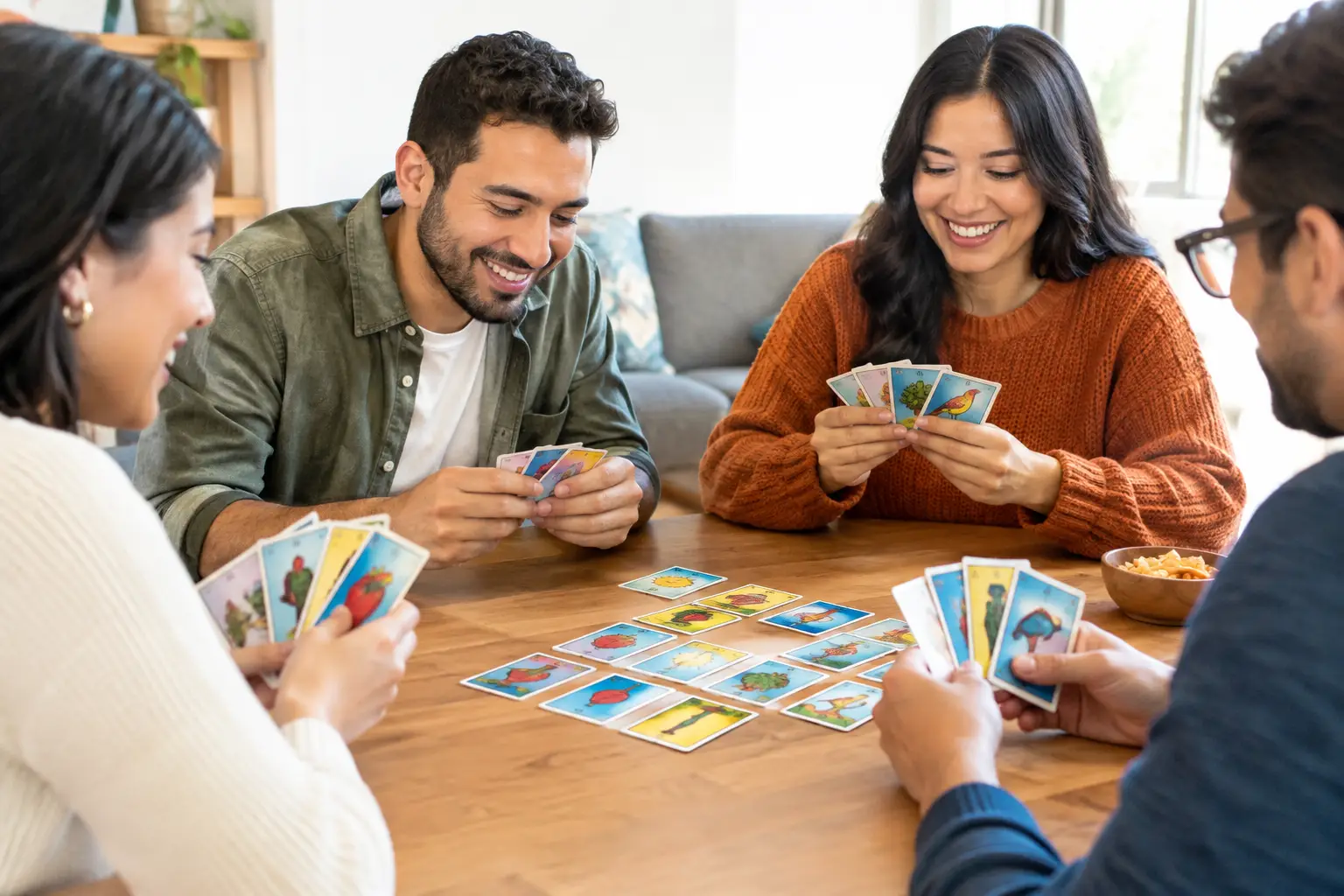
A Lotería card can make a whole room laugh before anyone calls a single square. Replace a classic character with your uncle’s famous barbecue pose, your best friend’s dog, or the couple getting married, and the game becomes part entertainment, part memory book. That is what is powering today’s lotería trends: people are taking a familiar game format and making it feel unmistakably their own.
For family parties, classrooms, brand events, and milestone celebrations, the most exciting decks are not trying to erase what makes Lotería recognizable. They are using its bold, collectible card structure to tell new stories. A custom deck can honor a family’s humor, celebrate a community, or give guests a keepsake they will actually want to take home.
Lotería Trends Are Moving From Classic to Personal
Traditional Lotería has lasting visual power. The illustrated cards, memorable names, and lively call-and-response energy give every round a built-in sense of occasion. But the strongest modern decks add a second layer: the people and details that matter to the players in the room.
A birthday deck might include the guest of honor’s childhood nickname, favorite snack, signature dance move, and closest friends. A reunion deck can turn family stories into playful cards that prompt conversation between generations. At a wedding, the cards might feature the couple, their pets, their proposal spot, and the tiny habits their guests know by heart.
This shift is not about making every card sentimental. Great custom Lotería leaves room for inside jokes, dramatic expressions, and a little friendly roasting. The difference is that the humor has a home. Players recognize the references immediately, which makes even a short game feel lively and connected.
Photo-based cards are becoming the main event
One of the clearest trends is the move from generic clip art toward photo-based artwork. People want the real faces from their celebration, transformed into a cohesive illustrated style that still feels playful. A cartoonified portrait can capture someone’s recognizable smile, hairstyle, or favorite outfit without requiring an artist to draw dozens of individual images from scratch.
The best results start with clear photos. Choose images with good lighting, visible faces, and a simple focal point. Group photos can work, especially for a family card or team card, but individual portraits are usually easier to recognize quickly during play. It also helps to vary the images: mix posed portraits with a few expressive, candid moments so the deck has personality from card to card.
A consistent visual treatment matters as much as the photos themselves. When every image shares a similar illustrated look, the deck feels designed rather than assembled. That polish is what lets a playful idea become a gift-worthy game.
Modern Decks Are Built Around a Specific Moment
Another major lotería trend is event-first design. Rather than creating a broad deck that could work for anyone, people are making a deck for one particular celebration and filling it with details that make sense there.
For a baby shower, cards can spotlight the parents-to-be, nursery themes, family traditions, and the people who will be part of the child’s world. For a graduation party, a deck can include school memories, future goals, favorite teachers, and the graduate’s biggest accomplishments. Holiday decks can center on recipes, decorations, relatives, travel rituals, and all the little moments that make a season feel like home.
This approach is especially useful for hosts who want an activity that does more than fill time. A personalized game gives guests an easy way to mingle, laugh, and share stories, including guests who may not know each other well. It works at a crowded party, but it can be just as meaningful around a kitchen table with a smaller group.
Event-specific does come with a trade-off. A highly personalized wedding deck may be perfect for the reception but less useful afterward than a family deck built for repeat game nights. If you want a deck with a longer life, choose a mix of event references and evergreen cards. You can still include the wedding date or birthday theme, while making most cards about people, places, and jokes that will remain funny next year.
More creators are treating the deck like a visual guestbook
A custom deck does not have to end when the final prize is handed out. Many hosts design cards as a visual record of the people who showed up and the stories that define their group. That makes Lotería especially fitting for reunions, quinceañeras, weddings, retirement parties, and community celebrations.
Unlike a standard photo album, a deck invites participation. Guests do not just look at the images. They point, laugh, compete, and remember. Later, the cards can go back in the box, come out at the next gathering, and bring the same stories back into the room.
Contemporary Themes Need Clear, Playable Design
Personal does not have to mean busy. In fact, a card is strongest when players can identify it in a second or two. Modern Lotería design is moving toward cleaner compositions, bolder color choices, and text that is easy to read from across a table.
Choose a theme that gives the deck direction without forcing every card to look identical. A retro palette, bright party colors, floral accents, city-inspired details, or a clean minimal look can tie everything together. The theme should support the photos and card names, not compete with them.
Card text is where a deck gets its voice. You might use affectionate nicknames, bilingual phrases, playful titles, or descriptions that only your group understands. Keep each name short enough to call clearly during a game. If a joke needs a paragraph of explanation, it is probably better suited for the back of the card or a party speech.
There is also a cultural consideration worth keeping close. Lotería carries deep familiarity and meaning for many Mexican and Mexican American families. A contemporary deck can be inventive while still treating the format with care. If you are reinterpreting traditional elements, make the choices intentional. Personal stories, family language, community references, and respectful visual choices create a deck that feels connected rather than copied.
Print-Ready Materials Are Part of the Trend
The popularity of custom decks has raised expectations. People no longer want a clever concept that only looks good on a phone. They want cards, game boards, and supporting materials that look polished in real hands.
That means thinking beyond the individual card. A complete game needs readable boards, card sizing that feels comfortable to shuffle, enough boards for the expected number of players, and artwork that holds up when printed. Color, image resolution, bleed, and layout can sound technical, but they make a visible difference when guests are gathered around a table.
This is why focused creation tools have become so useful. Instead of juggling photo editing, illustration, page layout, and printer specifications across several programs, users can upload photos, cartoonify them, customize card text, and generate print-ready cards and game boards in one workflow. Modern Lotería Studio is built for exactly that kind of project: a contemporary deck that feels personal without asking you to become a professional illustrator or production designer.
For larger events, plan the game materials early. Count your players, decide how many boards you need, and leave time to review names and images before printing. A deck with 54 wonderful cards will not feel wonderful if half the room is waiting for a board. Small production decisions are what make the creative idea easy to enjoy.
Community, Classroom, and Brand Decks Are Growing Too
Personalization is not limited to private parties. Educators are using custom Lotería-style games to make vocabulary, local history, and classroom culture more memorable. Community groups can feature neighborhood landmarks, volunteers, artists, and shared traditions. The format turns recognition into participation, which is often more engaging than a poster or handout.
For small businesses and creators, a deck can also become a distinctive event piece. Think of a pop-up market card set featuring vendors, a restaurant anniversary deck built around menu favorites, or a team celebration game filled with office lore. The goal should be connection first, not a stack of advertisements. When the cards are genuinely fun, guests will remember the brand because they enjoyed the experience.
If you use customer photos, employee likenesses, logos, or commissioned artwork, get clear permission before printing. Commercial projects need the same thoughtful approach as personal ones, with extra attention to who owns the images and how the finished deck will be distributed.
Make the Next Deck Feel Like Your People
The most lasting lotería trends are not about chasing a single color palette or illustration style. They are about giving people a familiar way to see themselves, their families, and their celebrations reflected in play. Start with the photos that make you smile, name the moments your group always talks about, and build a deck people will be excited to call out loud.