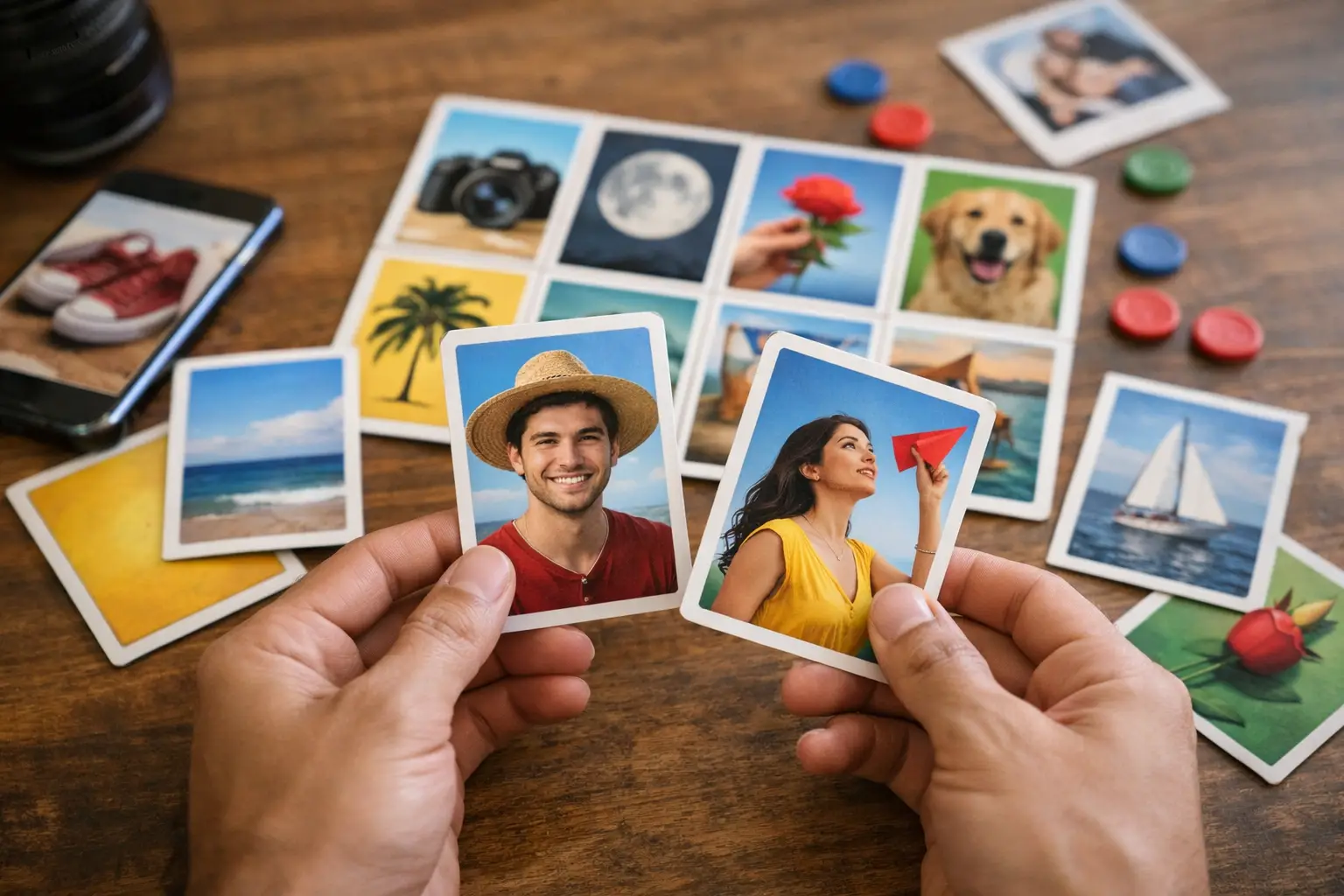
A favorite aunt striking her signature pose. The cousin who is always late. The family dog wearing a birthday hat. These are the details that make a game table light up, and they are exactly what loteria templates can turn into something people want to keep long after the party ends.
A personalized deck is more than a novelty. It gives a familiar game format a new cast of characters, a new sense of humor, and a reason for every player to lean in. Whether you are planning a wedding shower, a reunion, a classroom activity, or a branded community event, the right template helps you move from a folder of photos to a complete, playable experience without becoming your own illustrator or print-production expert.
What Great Loteria Templates Actually Do
A Lotería template should do more than place a photo inside a rectangle. The best ones preserve the visual rhythm that makes the game recognizable: illustrated cards, memorable names, coordinated game boards, and a complete set of components that feel like they belong together.
That structure matters because Lotería is played quickly and socially. Players need to recognize each card at a glance. Text needs to be easy to read. The artwork should feel consistent from card to card, even when the source photos come from different phones, lighting conditions, or years of family albums.
Generic design templates can help with a single invitation or poster, but building a full game deck there creates extra work. You still have to size every card, repeat layouts, organize images, create matching tablas, and prepare files for printing. A focused Lotería creator is built around the actual game workflow, so the creative part stays front and center.
Start With the Story You Want to Tell
Before uploading anything, choose the point of view for your deck. A wedding deck can celebrate the couple, their proposal story, beloved guests, and the little rituals that brought everyone together. A family reunion deck may feature relatives, hometown foods, nicknames, and legendary vacation moments. For a birthday, the cards can be playful snapshots of the guest of honor through the years.
A clear theme keeps the deck feeling intentional. It also makes photo selection much easier. Instead of searching for every possible image, ask one simple question: what should players recognize, laugh about, or feel proud to see?
There is room for both heartfelt and hilarious choices. A card named La Abuela might feature a warm portrait and become an instant favorite. A card inspired by a sibling's dramatic coffee order or a friend's famous dance move can bring the table to laughter. The strongest decks usually mix both. They feel personal without requiring every player to know every inside joke.
For larger events, plan for the full room. A card that only three people understand may be perfect in a close-knit family deck, but a wedding or fundraising event benefits from images and labels that give everyone a way into the fun.
Pick photos that read clearly at card size
You do not need studio photography, but clear images make a difference. Choose photos where faces, outfits, pets, objects, or poses are easy to identify. A full group photo can be meaningful, yet a close-up portrait often translates better when it becomes a small illustrated card.
Variety helps too. Mix smiling portraits with action shots, recognizable places, favorite foods, and meaningful objects. If every image is a front-facing selfie, the deck can start to feel visually repetitive. A photo of someone holding their famous pan dulce tray or standing beside their vintage truck tells a fuller story.
Avoid using images that are so dark, blurry, or crowded that the main subject disappears. When a photo has sentimental value but lacks clarity, consider pairing it with a short, strong card name that helps players understand the moment.
Make Personal Photos Feel Like One Deck
The challenge with a custom deck is not finding meaningful photos. It is making photos from many sources feel visually connected. Cartoon-style artwork is especially useful here because it gives each image a shared illustrated finish while keeping the person, pet, or memory recognizable.
With Modern Lotería Studio, you can upload your photos, cartoonify them, customize the card text, and build coordinated cards and game boards in one place. That means the photo of your uncle from 2008 and the sharp new photo from last weekend can belong in the same colorful world.
Keep names short enough to be read quickly. Traditional-style labels, bilingual phrases, family nicknames, or playful titles can all work. The choice depends on your audience. A deck for grandparents and grandchildren might use names everyone already uses at home. A multicultural event may benefit from labels that are easy for all guests to understand, with Spanish, English, or a thoughtful mix of both.
Cultural familiarity deserves care. Lotería has deep roots and an iconic visual language, so personalization works best when it feels like a celebration rather than a costume. Use the format to honor the people and moments that matter to your group. Let the humor come from genuine affection, not stereotypes.
Build a Playable Set, Not Just Beautiful Cards
A custom card is fun. A complete game is what gets played again.
As you build, think about the experience at the table. Each player needs a game board with a varied arrangement of cards. The caller needs a full deck that is easy to shuffle and read. Guests need enough boards for the size of your gathering, and the finished files need to be sized for the way you plan to print them.
This is where templates built specifically for Lotería save time. Rather than recreating board layouts manually, you can focus on selecting your card set and making it feel like yours. The layout logic, coordinated visual system, and print-ready preparation are already part of the process.
Do not feel pressured to make every deck enormous. A smaller set can be ideal for an intimate dinner, a classroom icebreaker, or a fast party activity. A larger collection gives you more variety for reunions, festivals, and events with repeat rounds. The better choice depends on how long you want the game to run, how many people will play, and how much variety your story needs.
Give each board a fair mix
The boards should not be copies of one another. Variety creates suspense: one player is waiting for El Primo while another needs La Chancla, La Tía, or the family cat. Coordinated but varied tablas also make the game more replayable, especially when guests want another round.
If you are giving decks as gifts, consider the practical details early. Will recipients print at home, order a professionally printed set, or use the boards at a one-time event? Home printing can be convenient for a casual gathering, while professionally prepared cards are a better fit for keepsakes, client gifts, or products you intend to sell.
Use Loteria Templates for More Than Parties
Personalized Lotería belongs at celebrations, but it also works wherever people need a reason to connect. Teachers can create a vocabulary or community-building game. Neighborhood organizations can spotlight local landmarks and volunteers. Small businesses can create a memorable pop-up activity around their products, team members, or customer stories.
For creators and businesses, clarity matters as much as creativity. Keep branded decks visually cohesive, make sure you have permission to use every image, and review commercial-use policies before selling or distributing a project. A personalized deck can be a wonderful promotional piece, but it still needs the same care you would give any public-facing product.
The most shareable decks do not try to impress everyone with complicated design. They make people feel seen. Start with the photo that always gets passed around, the phrase everyone repeats, or the person who holds the group together. Then give that memory a card, a name, and a place at the table.