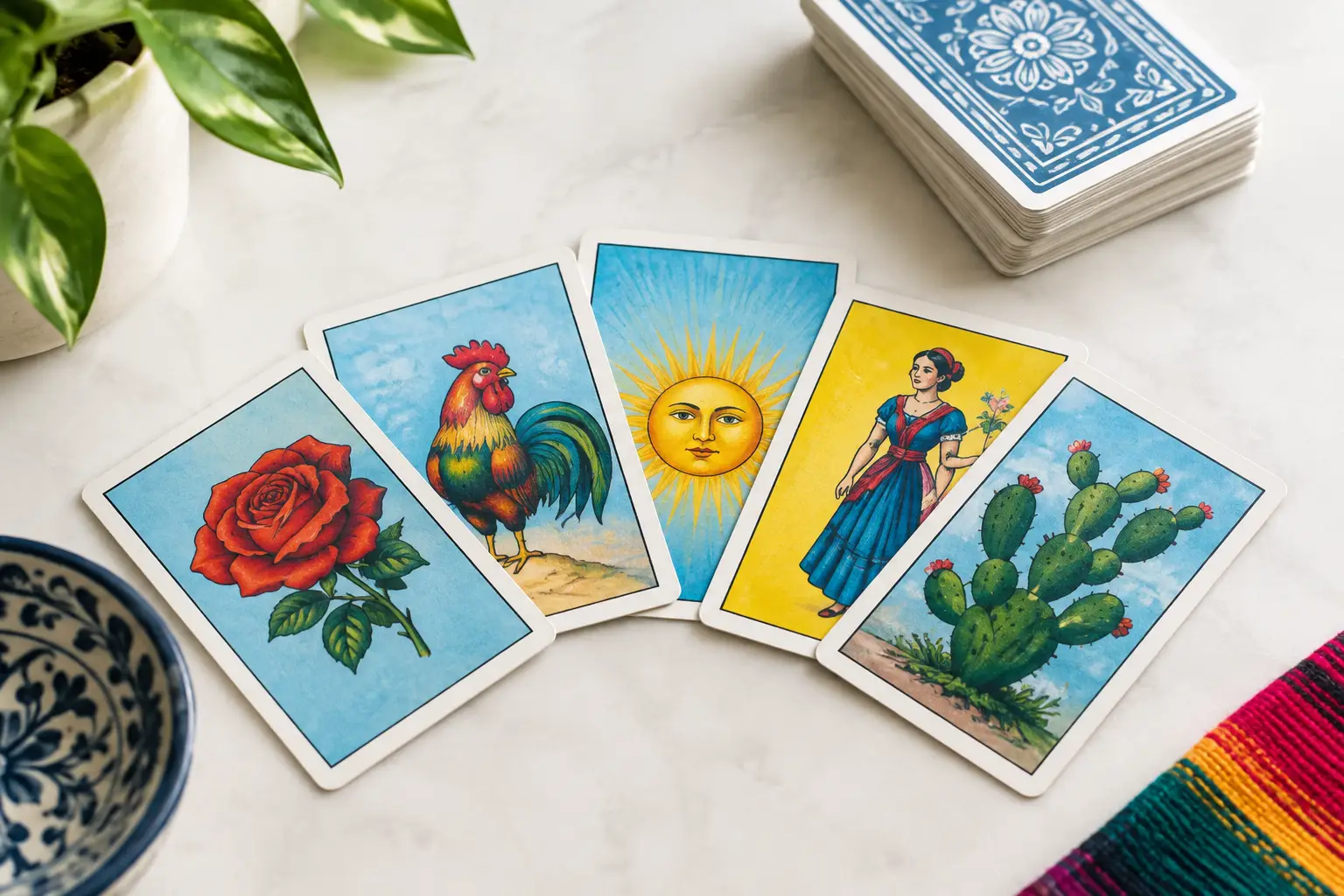
A great deck starts with the people who make the room feel like home. Lotería artwork turns familiar faces, inside jokes, family traditions, and milestone moments into cards that invite everyone to play, laugh, and remember. Instead of choosing between a generic party activity and a meaningful keepsake, you can create one piece that does both.
For a birthday, that might mean turning the guest of honor’s childhood photo into a card called La Estrella. For a wedding, it could be the couple’s dog, favorite snack, first apartment, or signature dance move. At a reunion, every card can bring back a person, place, or story that deserves a spot at the table.
Why Personal Lotería Artwork Feels Different
Traditional Lotería has a visual language people recognize immediately: bold images, expressive names, a lively card format, and the anticipation of hearing the next card called. Personal artwork keeps that energy while making the deck belong to your group.
That is the difference between decoration and participation. A custom game does not sit quietly on a dessert table. Guests point at cards, tell stories, debate the captions, and look for themselves. Children can recognize relatives they do not see often. Friends get a playful reminder of the moments that made their group what it is.
The strongest decks do not need every card to be serious or perfectly polished. A mix of heartfelt, funny, and everyday images gives the game its personality. Your aunt’s famous tamales can sit beside your cousin’s graduation photo. Your business mascot can share a deck with the product that started it all.
Start With the Story You Want to Tell
Before uploading photos, decide what this deck is celebrating. A clear theme helps every card feel connected, even when the images come from different years, cameras, and group chats.
For a wedding shower, the story may be the couple’s relationship: the proposal, the destination, the pets, the favorite restaurant, and the people cheering them on. For a family reunion, the story may be your shared history: grandparents, nicknames, hometown landmarks, recipes, and annual traditions. A school or community deck might celebrate local leaders, classroom memories, team spirit, or cultural heritage.
Choose a theme broad enough to give you options but specific enough to guide decisions. “Our family” is a wonderful starting point, but “three generations at the lake house” can make photo selection and card names much easier. If you are creating a branded deck, center the theme on the experience you want customers or guests to associate with your business, not just a row of logos.
Choose Photos That Read Clearly on a Card
A meaningful photo is not always a strong card image. Lotería cards are viewed quickly from a few feet away, so the main subject should be easy to recognize.
Look for photos with one clear person, pet, object, or scene. Bright lighting, visible faces, and simple backgrounds usually translate best. A close-up of Grandpa laughing may work better than a crowded group photo where he is one small face among twenty. If a group picture matters too much to leave out, consider making it a special scene card with a name that tells guests where to look.
Variety also makes a deck more playful. Include portraits, favorite foods, meaningful objects, hometown places, and small visual jokes. Not every card needs a face. A card featuring the karaoke microphone, the beloved family cooler, or the cousin who is always late can become an instant favorite.
Try to avoid screenshots, very dark photos, blurry images, and pictures where the subject is far away. They can still hold sentimental value, but they may lose their impact after being transformed and printed. When in doubt, select the photo that is clearest rather than the one with the most complicated background.
Turn Photos Into a Cohesive Card Style
Photos taken over many years naturally have different colors, lighting, and levels of quality. Cartoon-style transformation helps bring them into one visual family. It gives a childhood snapshot, a recent phone photo, and a picture of the family dog a shared illustrated look without asking you to become an artist.
This is where a focused tool such as Modern Lotería Studio can save hours. Upload your images, cartoonify them, and place them into a deck designed around the recognizable Lotería card structure. The goal is not to erase the personality in each photo. It is to make every card feel like it belongs in the same game.
Keep your visual choices consistent. If the deck uses bright, celebratory color, carry that feeling throughout. If you want a cleaner, modern look for a wedding or brand event, use a more restrained theme and let the photos do the talking. Consistency does not mean every card needs the same background or pose. It means the deck should feel intentional when spread across a table.
Give Every Card a Name Worth Calling Out
The name under the image is where your deck’s voice comes alive. Some cards can use classic-style titles, while others can lean into your group’s humor. The best names are short, easy to say, and instantly understood by the people playing.
A photo of a beloved uncle might become El Tío Chuy. A card featuring a family recipe could be Los Tamales. A friend who never misses a group trip may become La Aventurera. For a bachelorette weekend, a suitcase can be La Maleta, while a sparkling drink becomes El Brindis.
Consider the room when choosing language. Bilingual titles can be a joyful fit for multicultural families and gatherings. English titles may be more accessible for a mixed crowd. You can also use a familiar Spanish card name with a personal twist that your guests will understand. There is no need to force a joke onto every card. A few sincere names give the funny ones more room to land.
If the deck will be played by young children, keep names simple and recognizable. If it is for close friends, feel free to use the nicknames and references that make everyone laugh before the game even begins.
Build a Deck That Is Fun to Play, Not Just Fun to Look At
A beautiful deck still needs to work as a game. Make sure the images are distinct enough that players can identify cards quickly when they are called. Two similar photos of the same person in nearly identical outfits can be confusing during a fast round.
Think about the balance of your deck as you add cards. Include different people, objects, places, and moods. Avoid making every card a close-up portrait or every title an inside joke that only two people understand. A great game lets the whole room participate, including the cousin meeting everyone for the first time or the coworker invited to the celebration.
Your game boards deserve the same care. Spread images across each board so no board feels too easy or too repetitive. Before printing, do a quick read-through of all card names and ask someone else to identify the images. If they hesitate, update the crop, title, or image before you commit.
Respect the Tradition While Making It Yours
Lotería is not just a visual trend. For many Mexican and Mexican American families, it carries memories of home, celebrations, storytelling, and generations gathered around the same table. Personalizing the format can be a meaningful way to continue that connection.
The most thoughtful approach is to treat the tradition as a living game, not a costume. Use your own community, history, and humor as the creative material. Let the deck reflect what Lotería means in your family or event rather than borrowing symbols without context just because they look festive.
This can be especially powerful for multicultural households. A deck can make room for both sides of a family, multiple languages, chosen family, and the traditions being created right now. Your cards do not have to look like anyone else’s to feel rooted, welcoming, and full of joy.
Make Print-Ready Planning Part of the Creative Process
The final experience depends on more than the artwork. Cards need readable text, clean cropping, and layouts that hold up when printed and handled all night. Planning for print early prevents the disappointment of discovering a favorite face was cut off or a caption is too small.
Use high-quality original photos whenever possible. Check that text stays inside the safe area of each card, and review the deck at actual size before ordering or printing. If guests will play in a large room, prioritize clear labels and strong contrast. If the deck is a keepsake, consider a slightly more detailed style, but do not sacrifice readability for decoration.
A complete set should include the calling cards and enough game boards for your group. For larger celebrations, print extra boards so guests are not squeezed into teams unless that is part of the plan. A deck meant for a small family game night has different needs than one created for 100 wedding guests, and that is perfectly fine.
The card everyone remembers may not be the most technically perfect one. It may be the photo that sparks a story, the title that sends the table into laughter, or the face that reminds someone they belong. Start with the memories you want to share, make the artwork easy to recognize, and let every call bring your people back into the room.