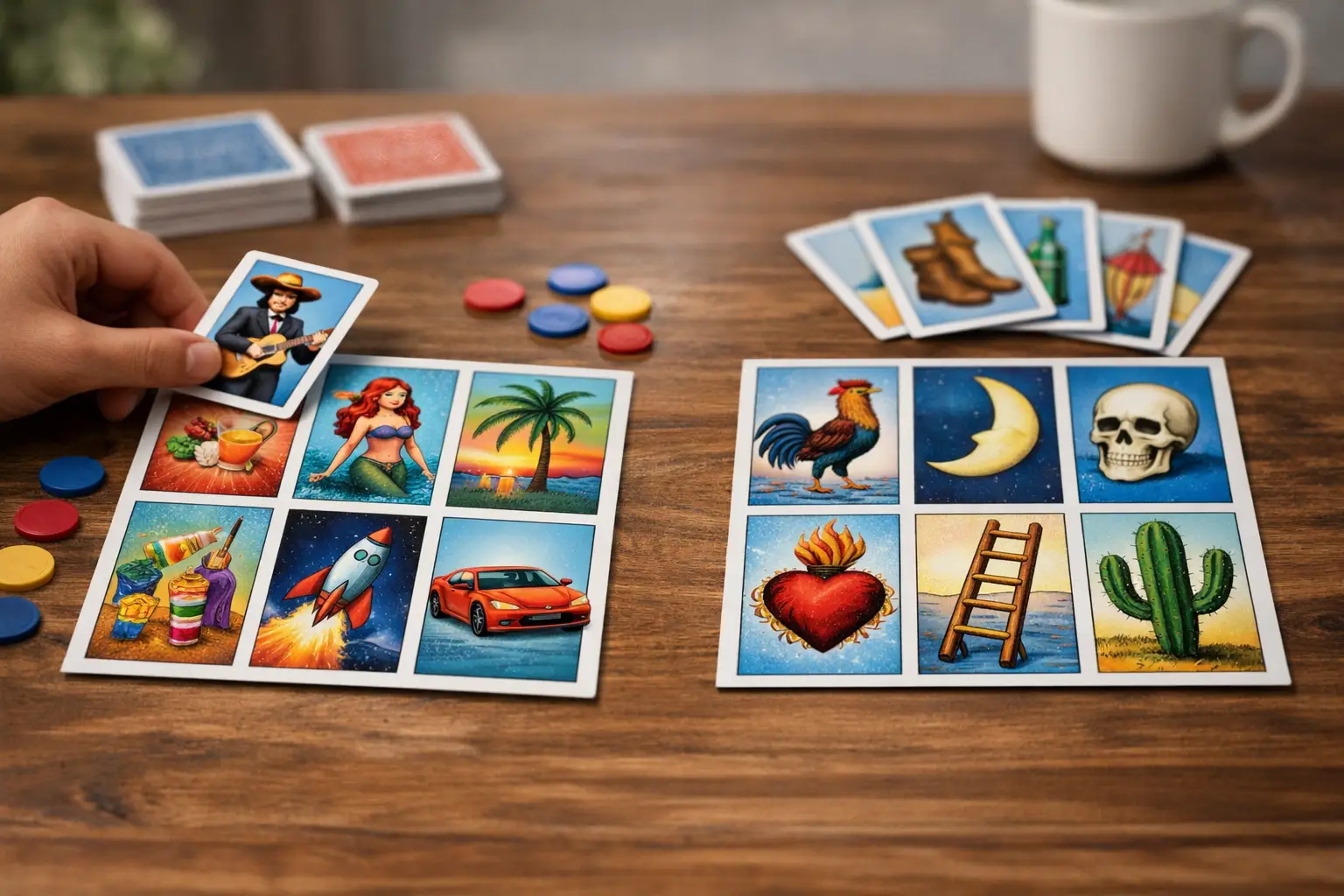
A birthday table can have the same balloons, cake, and playlist as any other party. But when guests pull a Lotería card featuring Tía Rosa, the family dog, the graduate’s signature snack, or that friend who is always late, the room changes. The choice between custom lotería vs generic templates comes down to that feeling: are you filling an activity slot, or creating a game people will talk about long after the event?
Generic templates have a place. They are quick, familiar, and often inexpensive. But for a wedding, reunion, classroom project, brand activation, or family celebration, a truly personalized deck can turn shared memories into the main event.
What Generic Templates Do Well
A generic Lotería-style template is usually built for speed. You choose from predesigned cards, add a few words or images, and download something usable. If you need a simple icebreaker for a casual gathering tomorrow, that can be enough.
Templates also work when personalization is not the point. A restaurant hosting a general cultural night, for example, may want a broad game that guests can understand right away. An educator may need a quick vocabulary activity with clear, repeatable visuals. In these cases, a ready-made layout helps keep the project moving.
The trade-off is that generic templates are designed to fit everyone. That means they often feel like they belong to no one in particular. The artwork may not match your event style, the card labels may feel limited, and the game boards can look more like a worksheet than a keepsake.
There is another practical issue: a template gives you a starting layout, not necessarily a complete playable system. You may still need to find illustrations, crop photos, keep colors consistent, organize card numbers, create matching tablas, and prepare files for printing. What begins as a fast option can become a late-night design project.
Custom Lotería vs Generic Templates: The Real Difference
The biggest difference is not simply whether the cards look different. It is whether the game is built around your people, your stories, and the way you want guests to feel.
A custom deck can feature the bride and groom’s first date spot, a family nickname, a beloved abuela, favorite foods, a school mascot, local landmarks, or inside jokes that make everyone laugh before the caller finishes the phrase. Each card becomes a small recognition moment. Players do not just mark a square. They point, react, tell a story, and pull others into the memory.
That emotional response matters at events where different generations or friend groups are meeting. Lotería naturally creates conversation, and personal cards give people an easy place to begin. A cousin can explain why someone is called “La Cafetera.” A coworker can learn the story behind “El Friday Crew.” A child can proudly spot their own cartoon portrait on a tabla.
Generic templates offer familiar gameplay. Custom Lotería gives that gameplay a reason to belong at your event.
Personalization Without Starting From Scratch
Many people assume a custom game requires hiring an illustrator or becoming a graphic designer. It can, but it does not have to. The best custom experience removes the technical work while leaving the fun creative choices in your hands.
Start with the people, places, objects, and phrases that make your group recognizable. For a 30th birthday, that might mean childhood photos, favorite drinks, pets, hobbies, and the birthday person’s most repeated sayings. For a family reunion, it might be grandparents, recipes, hometown references, and classic family moments. For a small business, it could include products, team personalities, customer rituals, and brand-friendly humor.
Then choose photos that are easy to recognize. Clear faces, good lighting, and simple backgrounds tend to translate best into cartoon-style artwork. You do not need a perfectly posed portrait. A candid photo can be the funniest or most meaningful option, especially when the expression captures someone’s personality.
Modern Lotería Studio makes this workflow feel approachable: upload your photos, cartoonify them, customize the text, and generate coordinated cards and game boards prepared for print. You stay in charge of the creative direction without needing to build every card frame, crop every image by hand, or figure out how to arrange playable boards.
A Polished Look Changes How the Game Feels
People notice when a game feels intentional. Matching card styles, balanced text, clean artwork, and consistent spacing signal that the activity is part of the celebration, not an afterthought printed five minutes before guests arrived.
This is where a purpose-built custom deck has an advantage over a general design template. Lotería has its own visual rhythm: illustrated cards, bold names, a clear card structure, and randomized tablas that keep the game playable. A generic editing tool may let you place images anywhere, but that freedom can create uneven cards and mismatched boards if you are working quickly.
A focused custom workflow keeps the deck visually cohesive while giving you room to make it yours. You can choose a theme that fits a modern wedding, colorful birthday, school fundraiser, community celebration, or branded gathering. Your images and words provide the personality; the deck structure keeps everything looking polished.
Print preparation matters here, too. A design that looks good on a phone screen may have tiny text, awkward cropping, or low-resolution images once it reaches paper. Print-ready files help you move from screen to game table with more confidence, whether you are printing at home, using a local print shop, or planning materials for a larger event.
When a Generic Template Is the Better Choice
Custom is not automatically the right answer for every situation. If you only need a few cards for a one-time classroom warm-up, a generic template may be the most practical choice. The same is true when you have no photos, no personal references to include, or a very short turnaround with little room for review.
A template can also be useful for testing an idea. If you are planning a recurring event and want to see how guests respond to Lotería-style play, begin with a simple version. Once you know the activity works, a personalized deck can become the upgraded experience for the next gathering.
The key is being honest about your goal. If the game only needs to occupy a few minutes, generic may be enough. If you want guests to take photos of the cards, save them as party favors, or keep bringing up the jokes years later, personalization earns its place.
How to Decide Before You Start Designing
Think about what your guests should recognize immediately. If your answer is “the traditional icons,” a generic format may serve you well. If your answer is “us,” you have a strong case for custom cards.
Next, consider the role the game plays. A quick activity near the dessert table needs less depth than a reunion centerpiece, a wedding reception game, or a branded event giveaway. The more central the game is to the experience, the more valuable cohesive artwork, meaningful labels, and professional print preparation become.
Finally, consider your time. Custom creation should feel creative, not like an extra project you have to manage. Choose a process that lets you spend time selecting memories and making people laugh, rather than wrestling with layouts, image sizing, and page setup.
Make Every Card Worth Calling
The best Lotería decks do not try to be personal by putting one name on a generic card. They build a full little world from the people and details that make a group feel like itself. Let the card names be warm, funny, specific, and easy to recognize. Let the photos capture real personality. Give guests a game that invites stories between every call.
A generic template can get a game on the table. A custom deck can put your family, friends, community, or brand at the center of it - exactly where they belong.