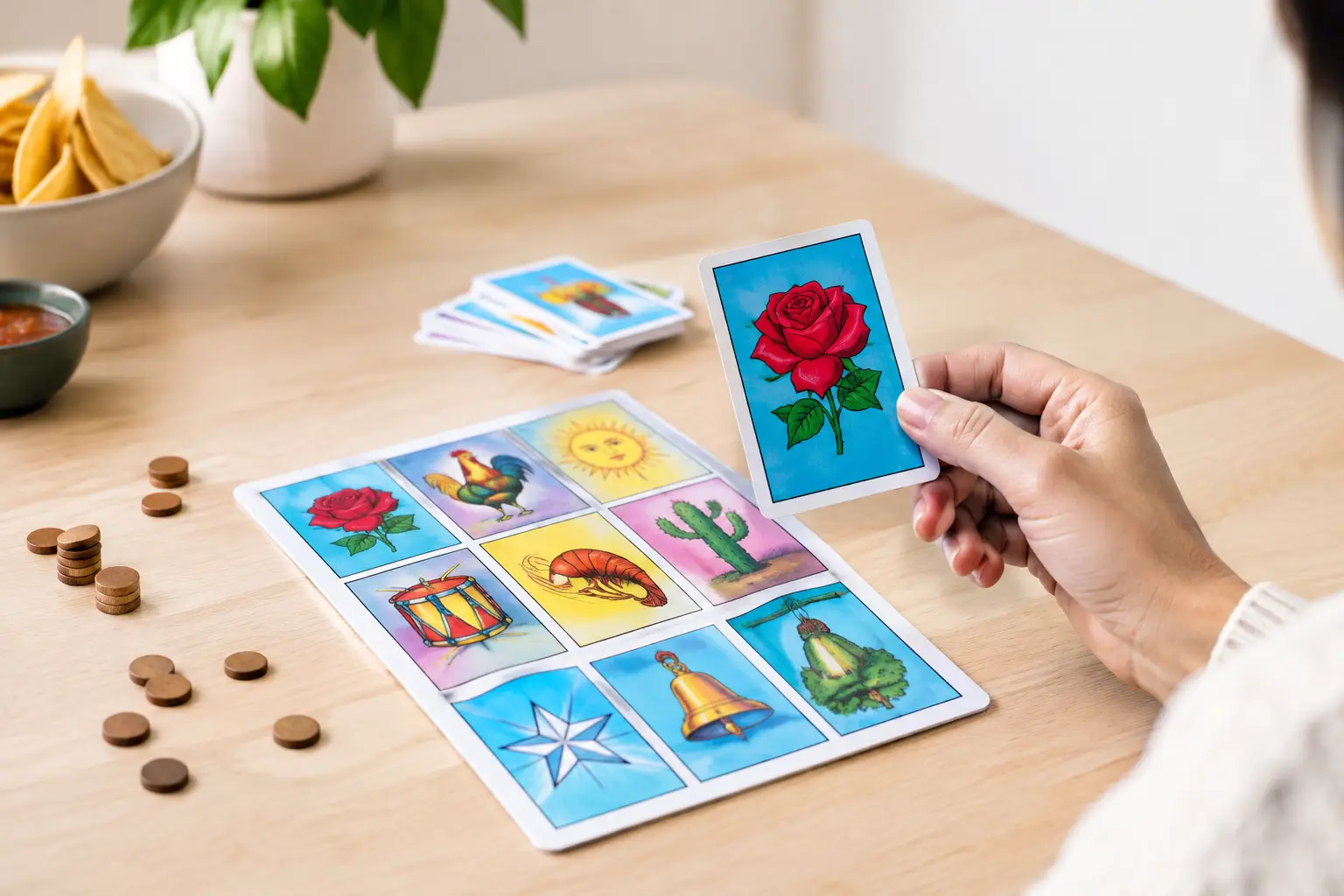
A strong brand activation game example does more than give guests something to do while they wait in line. It gives them a reason to laugh, compete, share a personal moment, and remember who created that moment. Custom Lotería is especially effective because the game already invites conversation - and when its cards feature your audience, products, neighborhood, or event personality, the experience feels made for the room.
For a pop-up, launch party, community event, or trade show, the goal is not to turn every attendee into a serious gamer. The goal is to create a fast, welcoming interaction that makes your brand easier to recall and more enjoyable to talk about. A thoughtfully designed Lotería game can do that without requiring a complicated app, a long explanation, or a giant production team.
What Makes a Brand Activation Game Worth Playing?
The best activation games have a simple job: get people involved quickly, then give them a story worth carrying beyond the event. A custom game succeeds when attendees understand the rules in seconds and recognize something meaningful in the cards.
Lotería has an advantage here. Its visual, call-and-cover format is easy to join at any point. A host calls a card, players find it on their tabla, and the room reacts when a familiar face, local joke, product feature, or campaign phrase appears. The game creates tiny moments of recognition that feel much more human than asking guests to scan a code and fill out a form.
The trade-off is that the deck cannot simply be a collection of logos. If every card is promotional, the game will feel like an ad disguised as entertainment. The strongest decks balance brand details with real personality: people, places, shared rituals, playful phrases, and visual references your guests will genuinely enjoy spotting.
A Brand Activation Game Example for a Neighborhood Coffee Launch
Imagine a new coffee shop opening in a neighborhood with an active mix of longtime residents, students, artists, and small-business owners. Rather than hand out a standard coupon at its launch party, the shop hosts short rounds of custom Lotería throughout the day.
The deck includes cards such as La Barista, El Cold Brew, La Mascota, El Mural, La Morning Walk, and La Pan Dulce. A few cards feature cartoon-style portraits of local regulars, participating vendors, and the shop’s team, all used with permission. The calling cards include short, lively phrases that reflect the neighborhood’s sense of humor and the coffee shop’s voice.
Guests receive a game board when they arrive. During each round, a host calls cards for five to eight minutes, keeping the pace bright and social. Winners receive small prizes: a drink upgrade, a branded mug, a pastry, or early access to a future tasting. Everyone else can still take a photo with the game board, share their favorite card, and pick up a bounce-back offer for a later visit.
This is not just a game table in the corner. It is a branded moment built around belonging. The coffee shop earns attention because it celebrates the people and details that make the neighborhood feel like itself.
Why This Example Works
First, it is easy to participate. Guests do not need a download, an account, or prior knowledge of the brand. They can sit down, learn by watching, and play almost immediately.
Second, it gives the audience a role in the creative work. When a guest sees their friend, favorite local landmark, or familiar weekend ritual on a card, they become part of the campaign rather than a spectator standing outside it.
Third, the activation produces useful content naturally. People photograph game boards, point at cards, celebrate wins, and compare which cards they got. That social energy is more persuasive than a staged photo wall because it comes from genuine interaction.
Build the Deck Around One Clear Event Goal
Before choosing card names or uploading photos, decide what the game needs to accomplish. A launch might prioritize awareness and social sharing. A trade-show booth may need to create warmer conversations with qualified visitors. A community fundraiser may need to teach attendees about programs while making donors, volunteers, and families feel seen.
Your objective should shape the deck, the prizes, and the way people enter the game. If lead collection matters, do not interrupt play with a form at every turn. Let guests play first, then offer an optional entry for a prize drawing, downloadable photo, or future event invitation. The game earns attention; the follow-up should feel like a natural next step.
For product education, turn features into memorable card concepts. A skincare brand could create cards around ingredients, routines, and feel-good daily rituals. A real estate team might feature neighborhood landmarks, moving-day moments, and homeownership milestones. An employer at a recruiting fair could spotlight team traditions, career paths, and employee stories.
Keep the connection clear, but leave room for delight. People remember the joke, the portrait, and the friendly competition. They will also remember the brand that made those moments possible.
Turn Familiar Faces Into Playable Cards
Personal images are what move an activation from generic to unforgettable. Instead of relying only on stock-style illustrations, feature staff members, customers, ambassadors, partners, or event speakers. A photo transformed into polished cartoon-style art keeps the deck visually cohesive while preserving the personality that makes the subject recognizable.
Modern Lotería Studio makes this workflow approachable: upload your photos, cartoonify them, customize card text, and generate print-ready cards and game boards. That means a small team can create a complete event game without illustrating every card by hand or trying to force a generic design tool into a full game-production system.
Choose images with a clear face, good lighting, and an uncluttered focal point. For cards featuring products or locations, use photographs that make the item easy to recognize at a glance. The art should read quickly from across a table, especially in busy event spaces.
Always get permission before using an identifiable person’s photo, particularly if the deck will be sold, reused, or shared online. For community-focused events, invite participation early: ask people to submit photos, nominate local icons, or vote on card names. That small act of inclusion can build anticipation before the event even begins.
Make the Game Feel Like an Experience, Not a Giveaway
A custom deck is the centerpiece, but the setup determines whether people stop and play. Give the activity a visible home: a bright table, easy-to-read signage, sample cards on display, and a host who can welcome newcomers without making them feel behind.
Short rounds usually work best for brand activations. Plan for enough time to build excitement, but not so much that guests worry about missing another part of the event. Five to ten minutes is often a useful range, depending on crowd size and how many prizes you want to award.
The caller matters, too. A confident host can bring out the energy of every card, inviting a quick story or audience reaction without dragging down the pace. At a family celebration, that might be an outgoing relative. At a corporate event, it could be an emcee, creator partner, or team member who knows the crowd.
Prizes should support the experience rather than overpower it. A useful item, a limited-edition keepsake, a discount for a future visit, or a chance to be featured in the next deck can all work. If the reward is too large, guests may focus only on winning. If it is too small, the game itself should still be fun enough to carry the moment.
Respect the Cultural Roots While Creating Something New
Lotería is a culturally recognizable Mexican game with a rich visual tradition. A custom activation can be playful, contemporary, and highly personal while still treating that heritage with care. Avoid using the format as a costume or swapping in stereotypes for easy laughs.
Instead, create cards from real relationships and relevant stories. If your brand has a genuine connection to Mexican, Mexican American, or Latinx communities, collaborate with people from those communities in the creative process. If the event serves a broader audience, be clear that you are making a custom version inspired by a beloved game format, not claiming ownership of its cultural history.
That care improves the creative result. Specificity is always more interesting than imitation. A card inspired by a real neighborhood baker, auntie’s legendary tamales, a local soccer field, or a team’s Friday ritual will land better than a vague, borrowed visual shortcut.
Plan for What Happens After the Final Call
The best part of a brand activation game can happen after someone calls “¡Lotería!” Send players home with a small printed card, an event photo, or a code that connects the experience to a future visit. If your deck was designed for a recurring community event, update it with new faces and moments next time so people have a reason to return.
You can also let the game become a keepsake. A polished deck or set of boards can live beyond the activation as a staff gift, a customer thank-you, a fundraising item, or a retail product. Just make sure commercial plans are considered from the beginning, including participant permissions and usage rights.
When people see themselves in the game, they do not just remember your logo. They remember the room, the laughter, and the feeling that your brand made space for them.