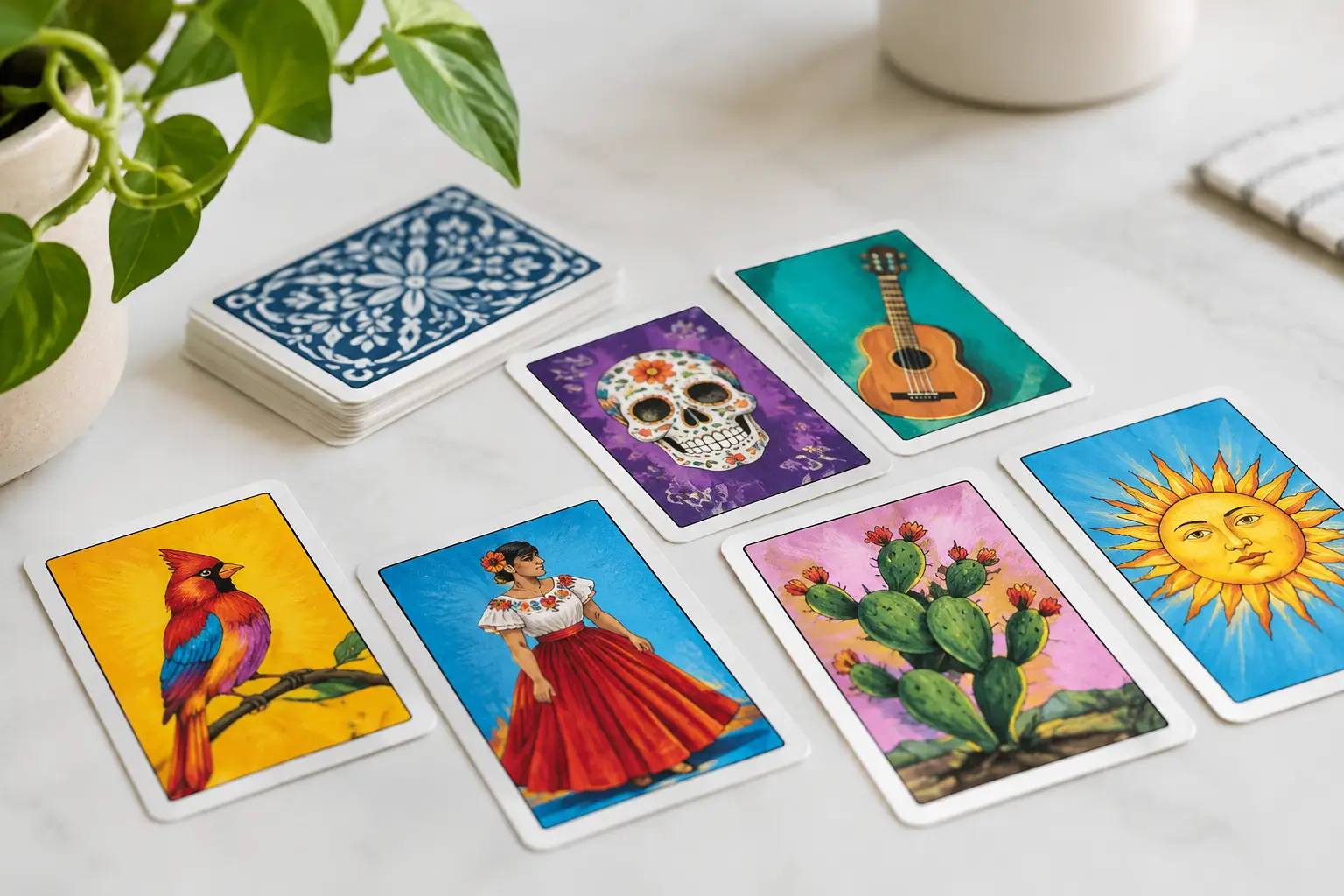
A birthday table covered in generic decorations is easy to forget. A table where every guest can spot themselves on a Lotería card, complete with an inside joke and a cartoon-style portrait, becomes part of the story. That is why AI party art trends are moving beyond novelty images and into celebrations people can actually play, keep, and talk about long after the last round.
For hosts, families, and event planners, the appeal is simple: personal art no longer has to mean commissioning dozens of illustrations or learning complicated design software. Upload photos, transform them into a cohesive visual style, customize the names and phrases, and build a game around the people in the room.
Why AI Party Art Trends Feel So Personal
The strongest party trend is not a particular color palette or filter. It is recognition. Guests respond when a celebration reflects the relationships, humor, and memories that brought everyone together.
AI-assisted photo art makes that recognition more visual. A cousin can become La Prima Dramática. The family dog can become El Jefe. A graduate can appear beside the coffee cup that carried them through finals. Rather than placing a few photos on a memory board, hosts can turn those images into a full set of shared references.
Custom Lotería is especially suited to this kind of party art because the format already invites storytelling. Each card has a memorable image, a name, and a moment of reveal during the game. Personalization simply gives that familiar rhythm a new cast of characters.
This approach works best when AI is treated as a creative assistant, not the whole idea. The technology can help create a consistent cartoon-style look quickly. The heart of the deck still comes from the choices you make: which people to include, what names feel true to them, and which details will make the room laugh.
The Party Art Styles Guests Are Asking For
Cartoonified photo portraits
Cartoon-style portraits are leading the way because they make everyday photos feel designed for an event. A collection of phone snapshots may have different lighting, backgrounds, and camera quality. Transforming them into a unified illustrated style helps the deck feel intentional from the first card to the last.
For a family reunion, choose clear head-and-shoulders photos with expressive faces. For a wedding shower or milestone birthday, mix portraits with meaningful objects: the couple's first apartment key, a favorite snack, a signature cocktail, or the grandparent known for bringing extra containers home.
The goal is not photorealism. A little stylization gives the art warmth and makes it easier to place every person in the same visual world.
Inside-joke cards
The best custom cards often feature things that would make no sense outside the group. That is exactly the point. A family phrase, a legendary vacation mishap, or the friend who is always late can become a card title everyone recognizes immediately.
Keep these jokes affectionate and easy to understand at a glance. If a card needs a long explanation, it may work better as a party sign or a caption in a photo book. Lotería card names land best when they are short, bold, and instantly readable.
Theme-led decks with real people at the center
A strong theme gives the artwork direction without making the deck feel generic. A quinceañera deck might draw from the guest of honor's favorite colors, flowers, and music. A baby shower could use soft stars, moons, and family nicknames. A brand activation might feature team members, products, and phrases customers already associate with the business.
The trend is not to force every image into one visual gimmick. It is to create a recognizable world where portraits, icons, text, and game boards belong together.
Heritage-forward reinterpretations
Modern celebrations often bring together multiple generations, languages, and traditions. A custom Lotería deck can honor that mix with bilingual names, family sayings, regional food references, and photographs of the people who carry those traditions forward.
Care matters here. Lotería is culturally recognizable and deeply meaningful to many Mexican and Mexican American families. Personalizing a deck should add your own story while respecting the format's visual character and cultural roots. Avoid treating cultural symbols as random decoration, especially when they do not connect to the people or occasion being celebrated.
How to Turn a Party Idea Into Playable Art
Start with the moment you want guests to remember. Is this deck meant to break the ice at a reunion? Celebrate a couple at a wedding event? Give a classroom or community group a shared activity? Your answer helps determine whether the cards should lean sentimental, funny, polished, or a mix of all three.
Next, build a photo list before you start designing. For a small gathering, you might feature each guest plus a handful of objects and recurring jokes. For a larger event, focus on honorees, family branches, key memories, or a theme that lets everyone participate without needing their own portrait.
Choose images with good face visibility and simple framing whenever possible. Sunglasses, heavy shadows, crowded backgrounds, and tiny faces can make photo transformation less predictable. Casual phone photos are absolutely useful, but selecting the clearest version of each person saves time and produces stronger art.
Then write the card names. Think of them as tiny headlines, not descriptions. La Tía del Cafecito tells a story faster than My aunt who likes coffee. Use the names people already use, add Spanish or English where it feels natural to your group, and read each title out loud. If it makes you smile before the art is even finished, it is probably a keeper.
Once the portraits and text are in place, check the deck as a complete set. Do the colors feel connected? Is the text large enough to read across a table? Are there too many similar-looking images? A deck becomes more playable when each card is easy to identify quickly.
Modern Lotería Studio keeps that workflow focused: upload your photos, cartoonify them, customize card text, and generate print-ready cards and game boards without having to build every layout from scratch.
What to Watch for Before You Print
Personal art can be joyful, but it still deserves a little care. Always get permission before using someone's photo, especially for a public event, school activity, workplace celebration, or commercial project. A quick message is usually enough, and it helps guests feel included rather than surprised.
Be thoughtful about humor, too. A teasing nickname may be perfect for one friend group and uncomfortable for another. If kids, coworkers, elders, or clients will be playing together, aim for jokes that invite people in. The most memorable decks create laughter without making anyone the target.
It also helps to keep a backup plan for guests who cannot attend or people who prefer not to be pictured. Their card can feature a favorite object, pet, recipe, hobby, or phrase instead. In many cases, those cards become crowd favorites because they capture personality without relying on a portrait.
Finally, give the game materials the same attention as the artwork. A great card design loses its impact if the print is hard to read, the board feels crowded, or the set arrives without enough cards for the group. Plan for the number of players, check text at print size, and leave enough time to review the full deck before the event.
Where AI Party Art Trends Go Next
The next wave of party art is less about generating one flashy image and more about creating keepsakes with a purpose. Guests want something they can hold, play, photograph, and take home. Hosts want an activity that feels personal without adding another complicated item to the planning list.
That is why custom game materials have staying power. They turn a room full of people into the subject of the celebration, then give them a reason to interact. A personalized Lotería deck is not just décor with a clever filter. It is a shared experience built from the faces, phrases, and memories that already make your gathering yours.
Choose the photos that spark a story, name the moments your people will recognize, and let the game bring them back to the table.